From Nice to Biot, a new generation of artists and designers is reinventing technique, materials, and style. Christopher Zucco sculpts silhouettes like architecture, Olivia Seitz reintroduces pearls into a reinvented family heritage, and Antoine Pierini breathes Mediterranean life into glass. Three signatures, three contemporary styles, one territory: the French Riviera, a melting pot of inspiration and light. Pierini fait du verre un souffle méditerranéen. Trois signatures, trois écritures contemporaines, un même territoire : la Côte d’Azur, creuset d’inspiration et de lumière.
On the shores of the French Riviera, creativity expresses itself with singular intensity, nourished by light, the Mediterranean Sea, and the freedom of a region that has always inspired artists and artisans. A new generation is now making its mark here, free, instinctive, driven by an intimate relationship with gesture and material. They grew up here, between sea and hills, workshops, fabrics, stones, and sunny landscapes. Each in their own way tells the story of the Riviera: through line, brilliance, transparency.
Christopher Zucco, a fashion designer from Nice, imagines silhouettes as living architecture, combining photography, textile construction, and masterful volumes. Olivia Seitz, heir to a line of pearl merchants, reinvents intimate and contemporary jewelry, crafted in Nice and inspired by the colors of the French Riviera. Antoine Pierini, master glassmaker, continues a four-generation family tradition, transforming glass into a poetic material imbued with memory, breath, and light.
Christopher Zucco, the instinct for lines
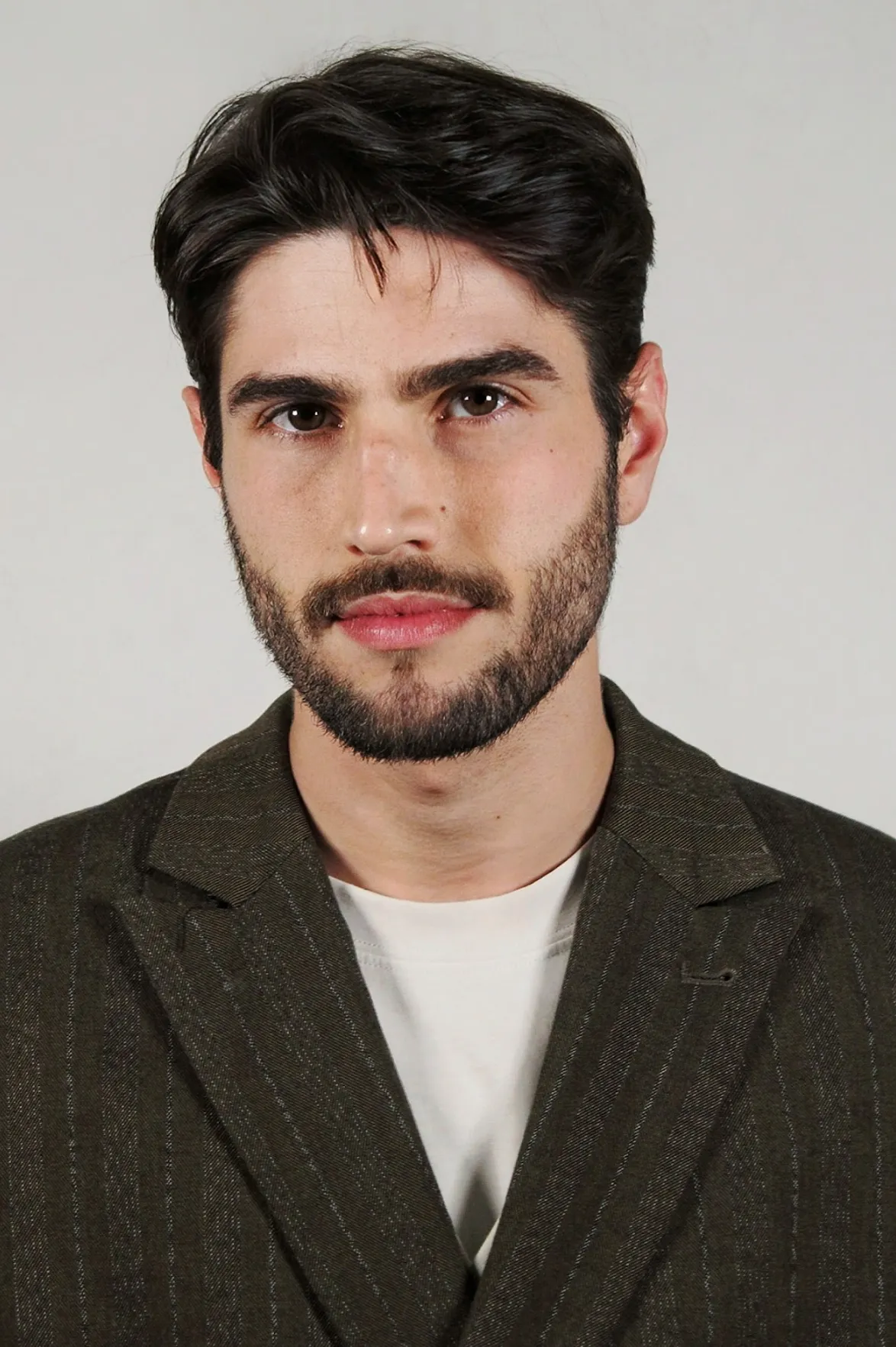
At twenty-five years old, Christopher Zucco has established himself as one of the most inspiring young designers on the Nice scene. A stylist, photographer, and clothing craftsman, he sees fashion as a field where image, silhouette, and material interact. From his showroom-workshop in the Garibaldi district, he welcomes his clients in an intimate atmosphere, working with them to design unique pieces that are entirely handmade.
Before devoting himself to clothing, Christopher first explored photography. At a very young age, he learned how to compose an image, playing with poses, lighting, and framing. When he joined the École de Condé in Nice, he discovered scenography, volumes, and visual construction. He then realized that his taste for lines, architecture, and perspectives could be expressed through fashion. “What I like is creating a whole world around a silhouette,” he says.
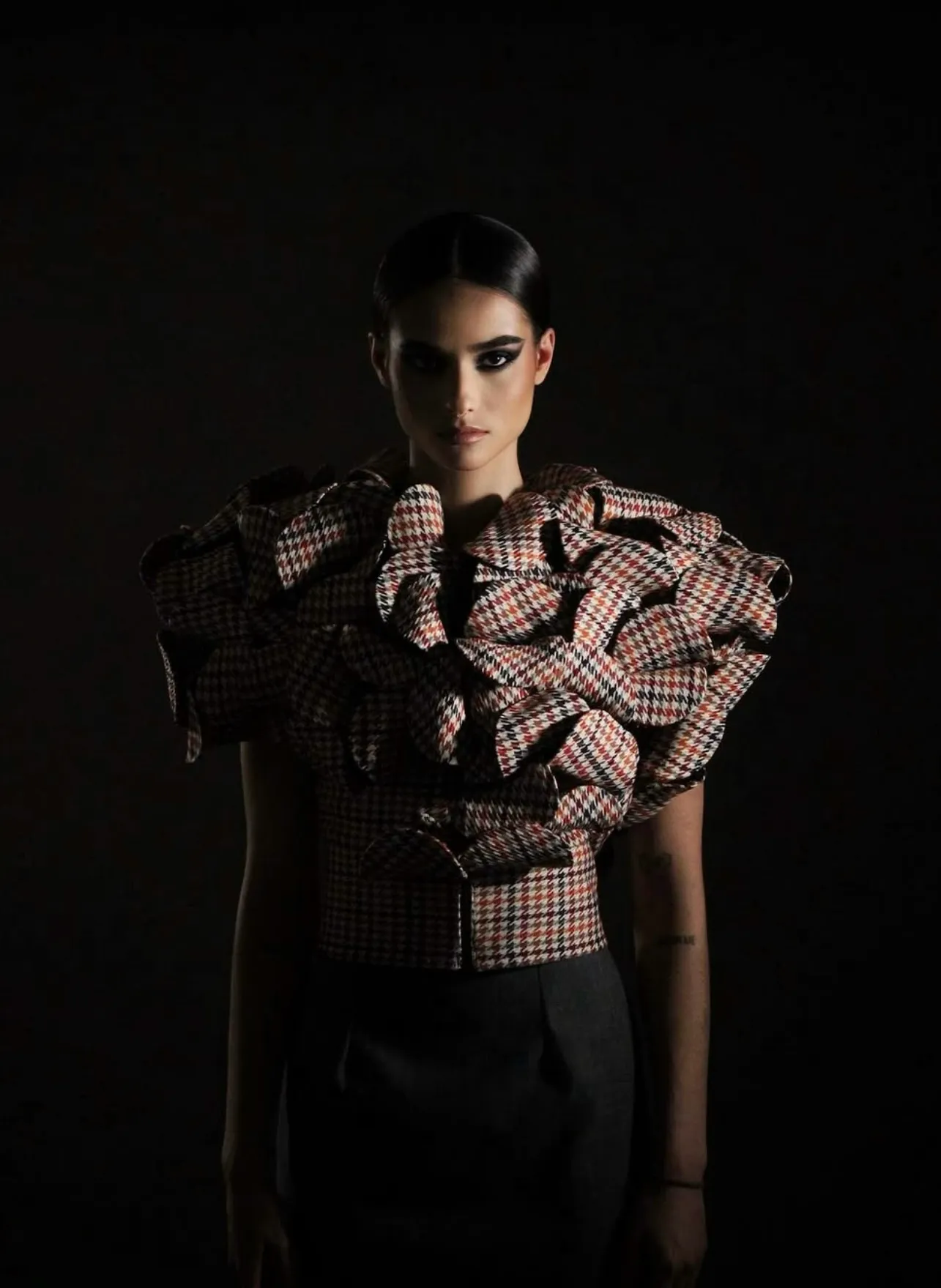
Cette approche nourrit un style immédiatement identifiable : des lignes nettes, des volumes étudiés, un relief subtil, une sobriété qui sert la silhouette plutôt qu’elle ne la domine. Christopher aime jouer avec les découpes, les détails de construction, les superpositions, un vocabulaire très visuel, nourri par son sens de l’espace. Les matières qu’il utilise proviennent souvent de deadstocks italiens ou de surplus de maisons de couture : double crêpe, viscose, laine vierge, tissus tailleur ou structures 3D. Chaque étoffe impose sa propre dynamique, et chaque pièce se construit lentement, avec la précision d’un artisan et l’instinct d’un directeur artistique.
Son rythme, lui aussi, reflète cette exigence : deux à trois collections par an, et un défilé annuel conçu comme un chapitre de son univers créatif, le prochain étant prévu pour le printemps 2026. Son travail a déjà séduit de nombreux jurys : participation à Catwalk Paris, distinctions répétées lors du concours SIM (Start in Mode), dont un prix du public qui a confirmé l’écho de sa signature.
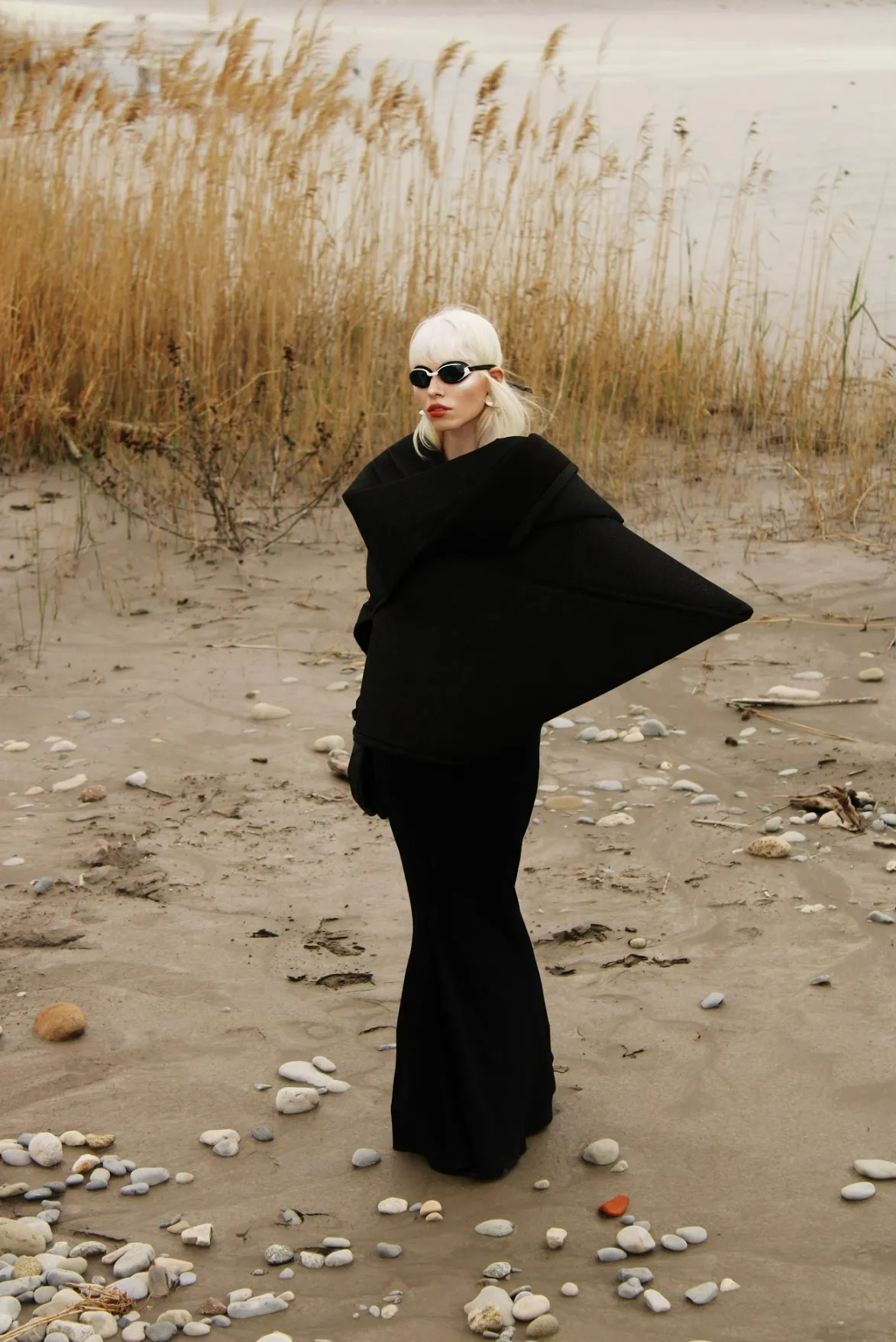
At the same time, Christopher now shares his expertise at the FAM school, where he is helping to create a course dedicated to set design, combining fashion, image, and visual storytelling.
.webp)
Today, his ambition continues to take shape: to develop a broader universe, refine his identity, and extend, collection after collection, this exploration of lines and silhouettes. What he wishes to reveal through his creations remains unchanged: the strength, confidence, and inner presence of the women he dresses. At Christopher Zucco, each garment is a work of architecture. A way of sculpting the look, combining intuition, rigor, and poetry.
Olivia Seitz, heritage reinvented
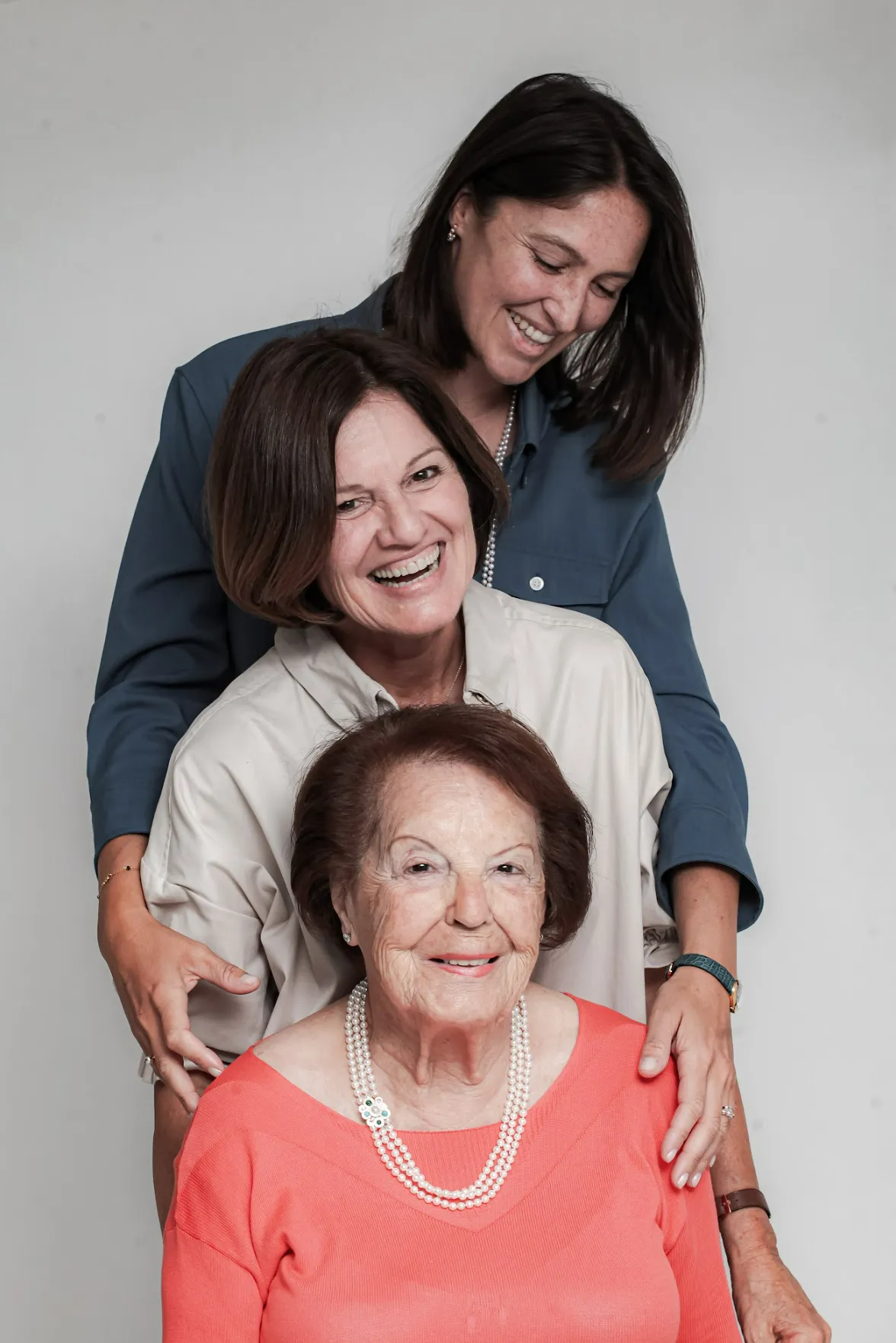
In Nice, Olivia Seitz carries on a family history that dates back nearly a century. However, nothing immediately destined her to join the world of jewelry. With a doctorate in pharmacy, she spent several years pursuing a career far removed from workshops and precious stones. Until, at the end of 2021, something clicked. The family business was about to change hands, and with it, the risk of seeing four generations of expertise disappear. Olivia realized that if no one took up the torch, an entire page of Nice's history could be turned forever. She decided to return to the essentials: creation, transmission, and pearls as a language.
This story begins in 1928, when his great-grandfather Maurice Porchet founded a workshop in Nice specializing in cultured pearls. At the time, pearls were arriving from Japan and beginning to charm Europe. Maurice made it his profession, and his son Jean succeeded him. Jean, who was also passionate about pearls, traveled the world to select the most beautiful pearls, which he sold or transformed into jewelry. His wife Denise — whose first name and year of birth would later inspire the name D1928 — brought a natural elegance and creative energy that would leave a lasting mark on the family.
In the 1990s, the next generation took over: Olivia's mother Christine and her brothers expanded the business and opened it up to international markets. The office became a living space where three children grew up surrounded by suitcases full of pearls, calibrations, trips, trade shows, and stories from their elders. Olivia always loved this world, but kept her distance: she first built another career, convinced that she would find her path elsewhere. But when the sale of the company loomed, the obvious became clear. In Nice, there was a workshop, a rare stock of pearls built up over decades, and the expertise acquired by the women of her family. Above all, there was her grandmother Denise, present every day, a discreet but essential figure, symbolizing a living tradition. Olivia decided not only to protect this heritage, but to breathe new life into it. She created D1928, a brand designed to bridge the gap between tradition and contemporary design.
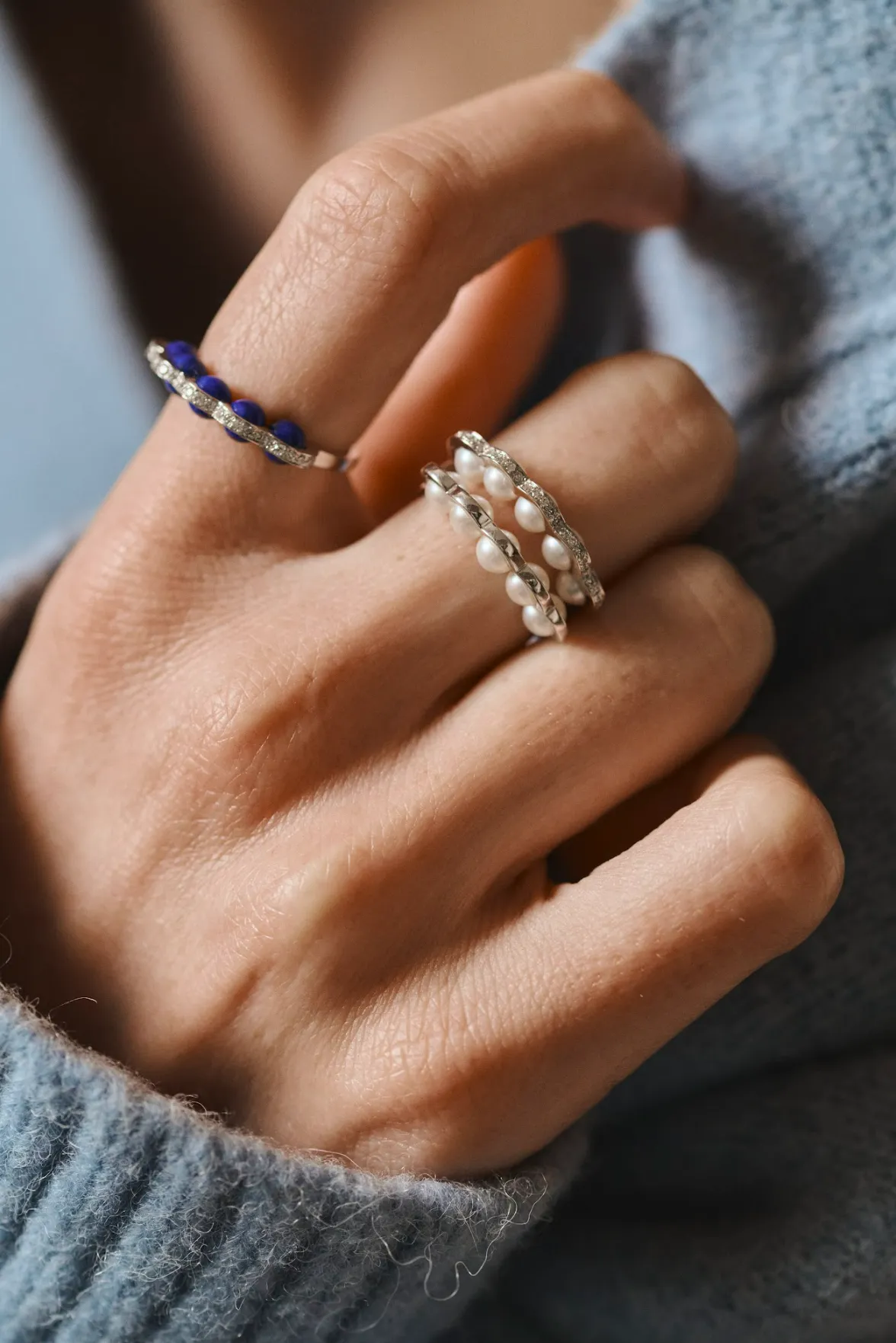
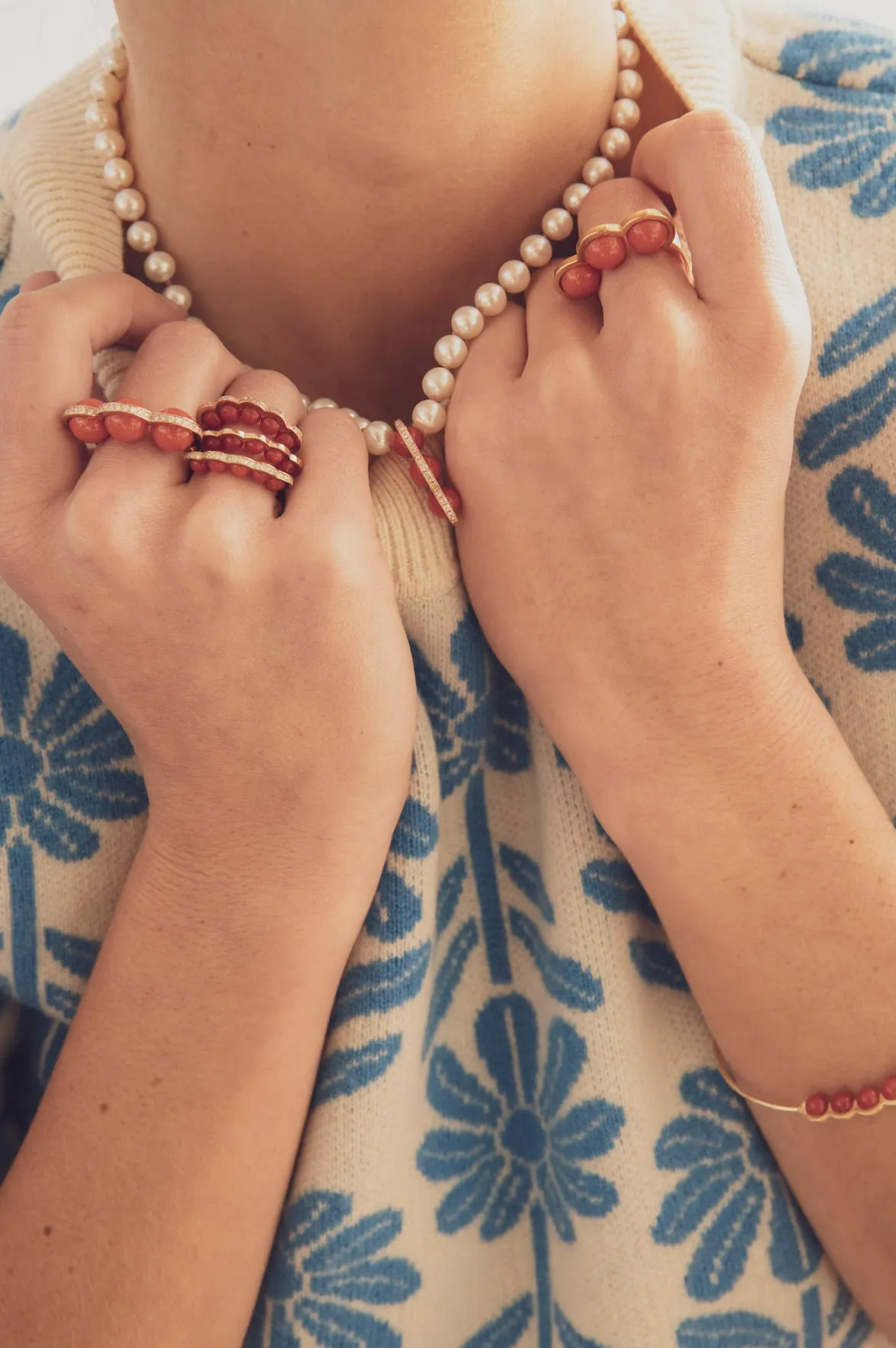
In her new workshop in Nice, each piece of jewelry is crafted by hand. Olivia imagines a style that reflects her personality: refined, luminous, architectural. Her signature can be seen in a gold or stone band that seems to slide over the pearl. This graphic yet delicate touch gives the jewelry a new verticality. Her collections tell the story of the French Riviera: Baie des Anges and its five iconic locations, Coco Beach and its joyful curves, La Vague inspired by the movement of water, Riviera with its sunny colors, La Pinède and its deep greens. The shades she chooses—azure blue, malachite green, deep lapis, bright turquoise, warm gold—are those of her daily life between the sea and the hills. Cultured pearls meet precisely cut hard stones, bringing a dynamic rhythm to fine or more sculptural pieces. Some collections are now even available for men, extending the desire for lively and versatile jewelry.
Today, D1928 continues to grow. Olivia is preparing a showroom in Nice, an intimate space where she can showcase her creations and highlight the expertise passed down from generation to generation. Her personal story thus echoes that of her lineage: a heritage that she has chosen not only to preserve, but to transform, offering pearls a future as bright as their past.
Antoine Pierini, the glass alchemist
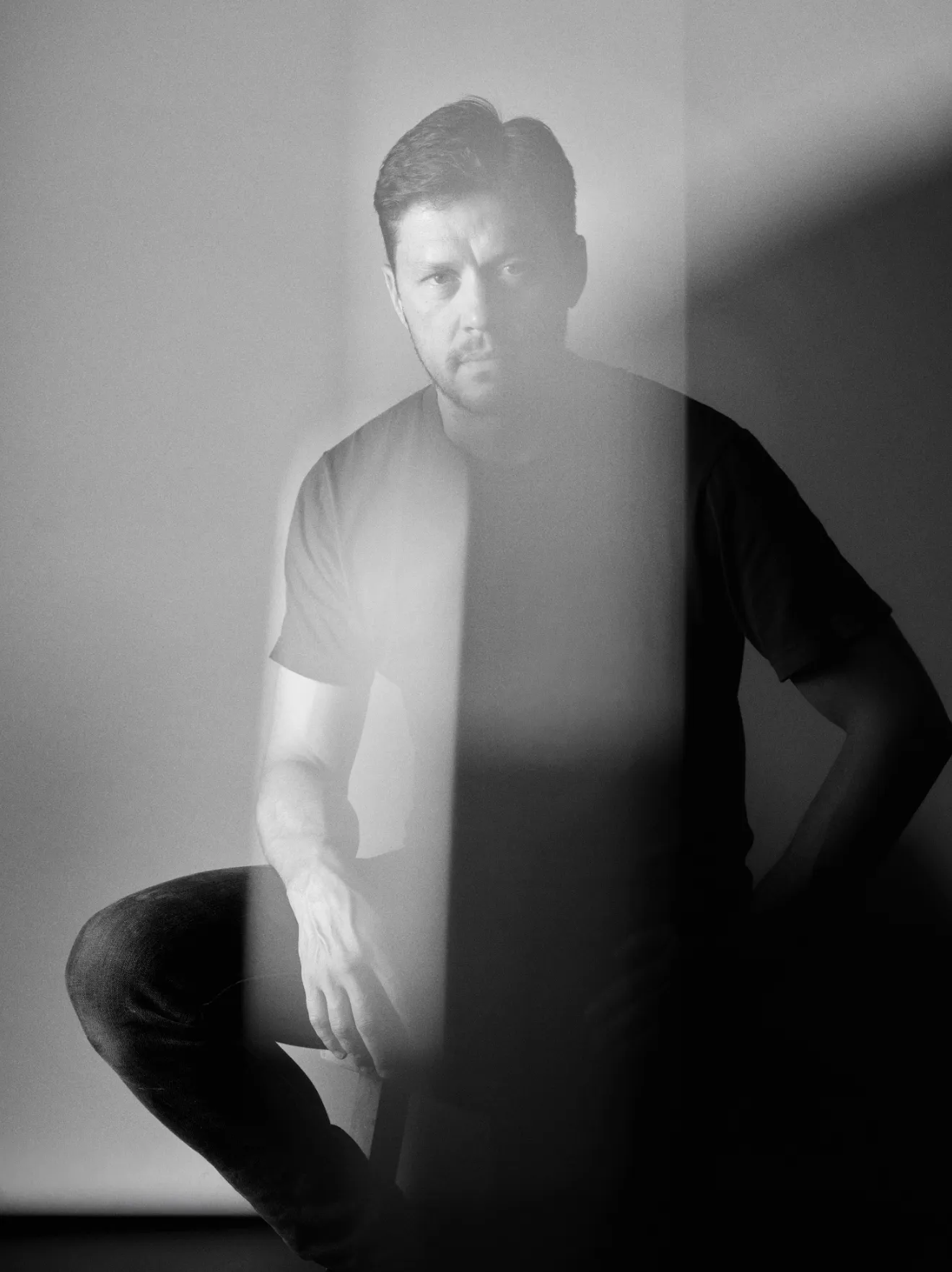
In Biot, in the heart of a place steeped in history, Antoine Pierini shapes glass with a deeply contemporary style. Born in Antibes in 1980, he grew up in a former 15th-century oil mill that his parents converted into a workshop. His father, Robert Pierini, a master glassmaker and figurehead of the French Studio Glass Movement, taught him the precision of movement and mastery of fire from an early age. His mother, Francine Begou-Pierini, a renowned naturalist and curator in the Provence-Alpes-Côte d'Azur region, gave him a taste for landscapes, living things, and environmental preservation. These two legacies, one technical and the other sensitive, have guided his approach to creation since childhood.
Glass entered his life as a matter of course. As a child, he played around the furnace; as a teenager, he realized that this molten material would be his language. At 18, he convinced his father to pass on this demanding craft to him, despite the discipline and rigor required in a glassblowing workshop. For nearly a decade, he learned the fundamental techniques, then continued his training abroad in the United States, Italy, Japan, Denmark, and the Czech Republic. These travels gave him a wide range of techniques and nurtured an open artistic vision, in which glass became a true medium of expression.
At the age of 21, he exhibited for the first time in Germany, a decisive moment that set him on a path toward contemporary art. Since then, his work has been featured in several major museum exhibitions. In 2015, he unveiled the series “Vestiges contemporains” at the Biot media library, before presenting it in 2016 at the Antibes Museum of Archaeology. In 2020, he exhibited at the Mougins Museum of Classical Art, then at the GlasMuseum Lette in Germany. In 2022, he took over the Villa Kérylos in Beaulieu-sur-Mer, presenting a Mediterranean interpretation of ancient remains through glass forms.
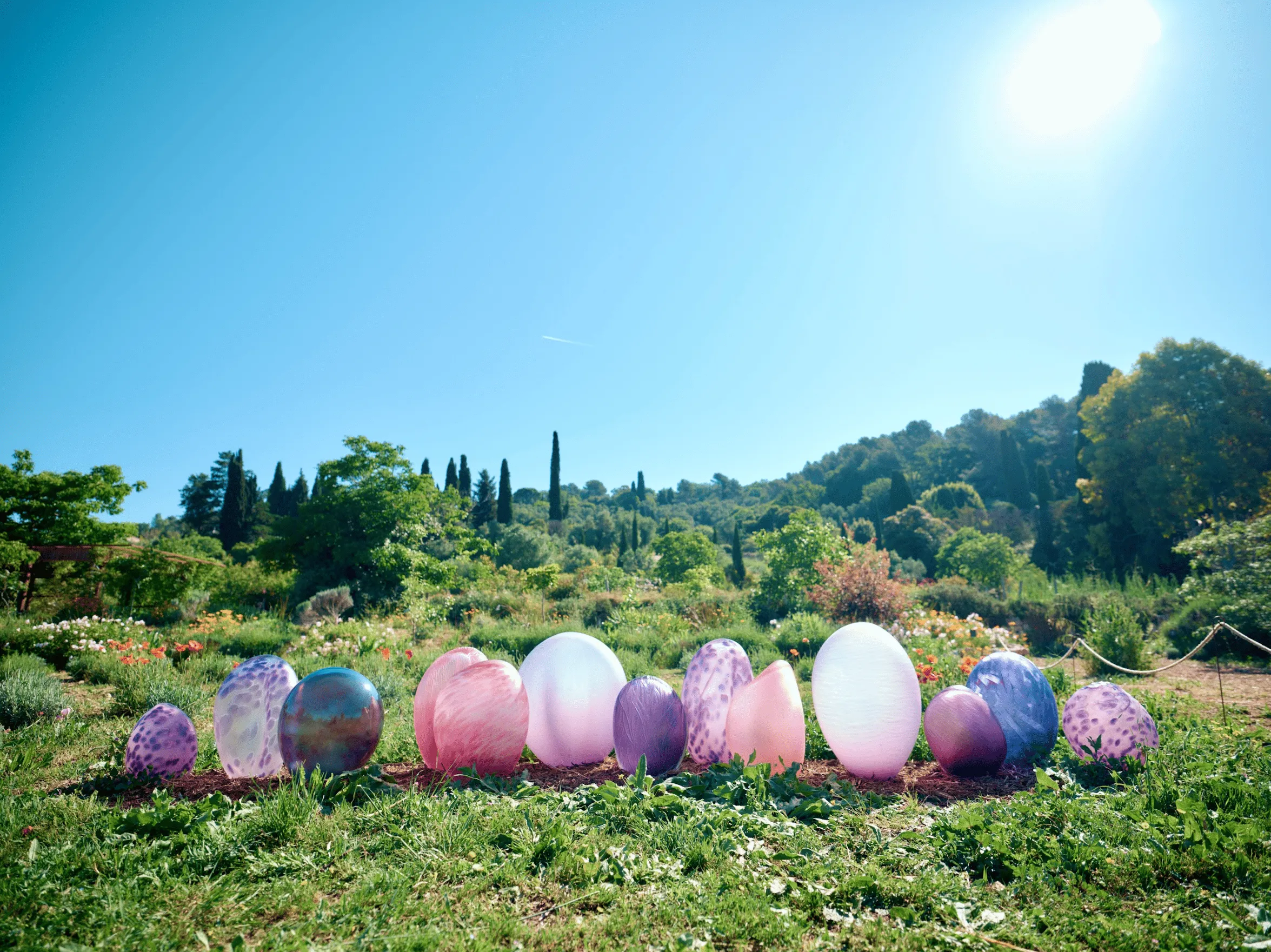
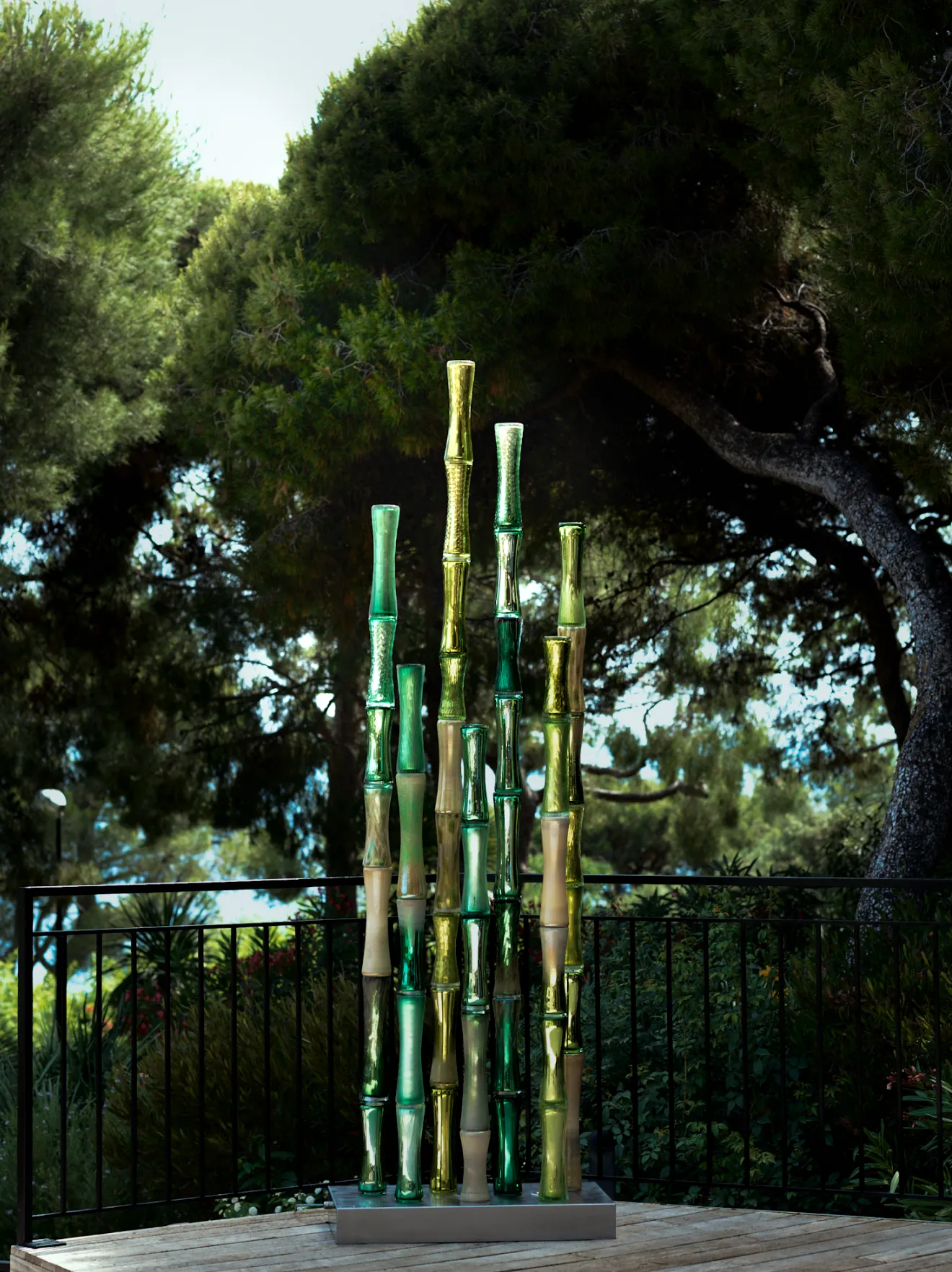
The Mediterranean remains his inner territory. It concentrates everything that feeds his imagination: living things, rocks, light, archaeology, myths, landscapes that oscillate between calm and verticality. Glass allows him to translate these elements: a material heated to over a thousand degrees, alternately translucent, dense, mineral, or aqueous depending on the oxides used. He seeks to freeze a vibration, a flash, a fragment of landscape. Some pieces require months of work, combining blown glass, stone, marble, silver plating, or textures developed in his studio.
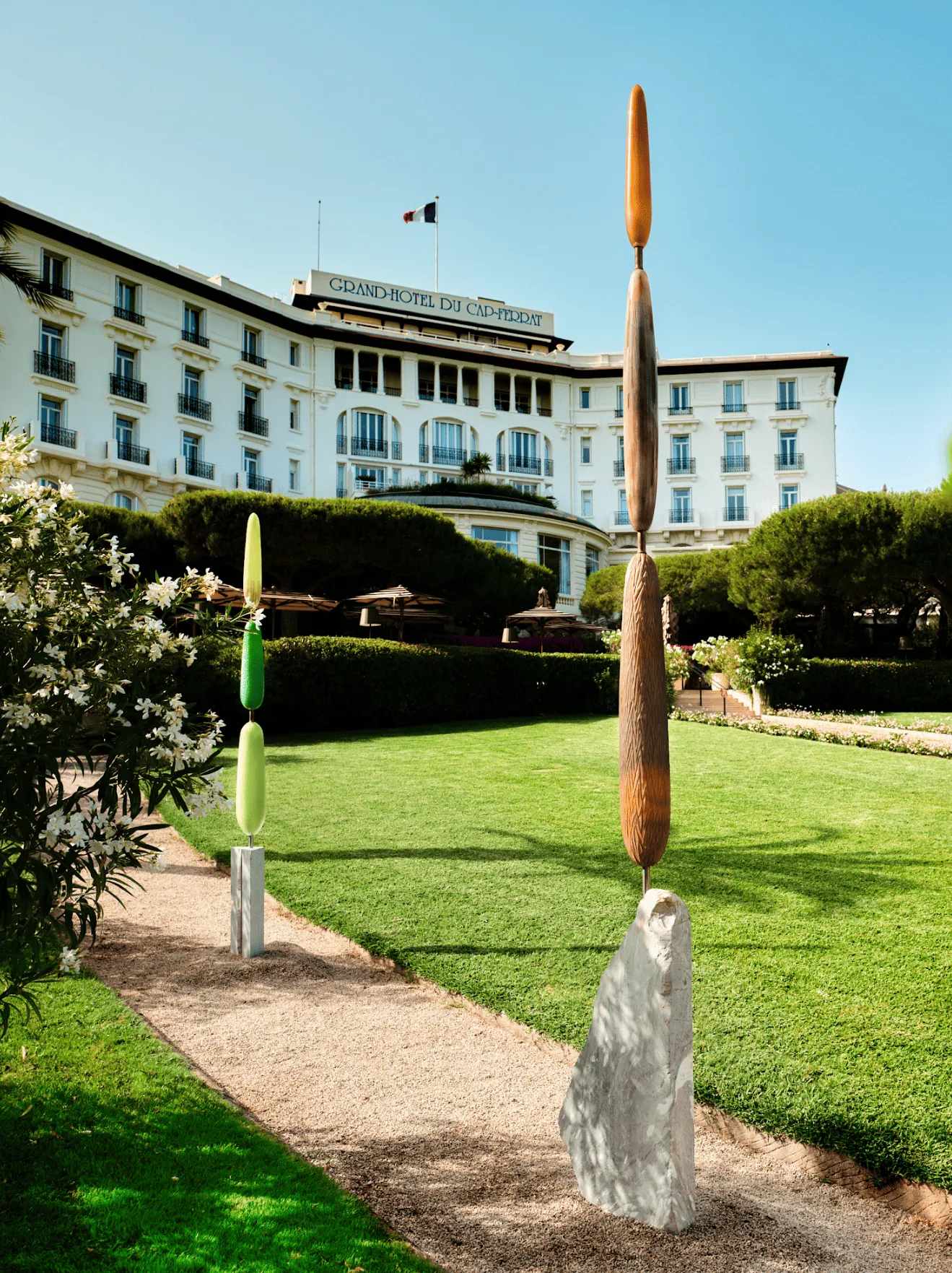
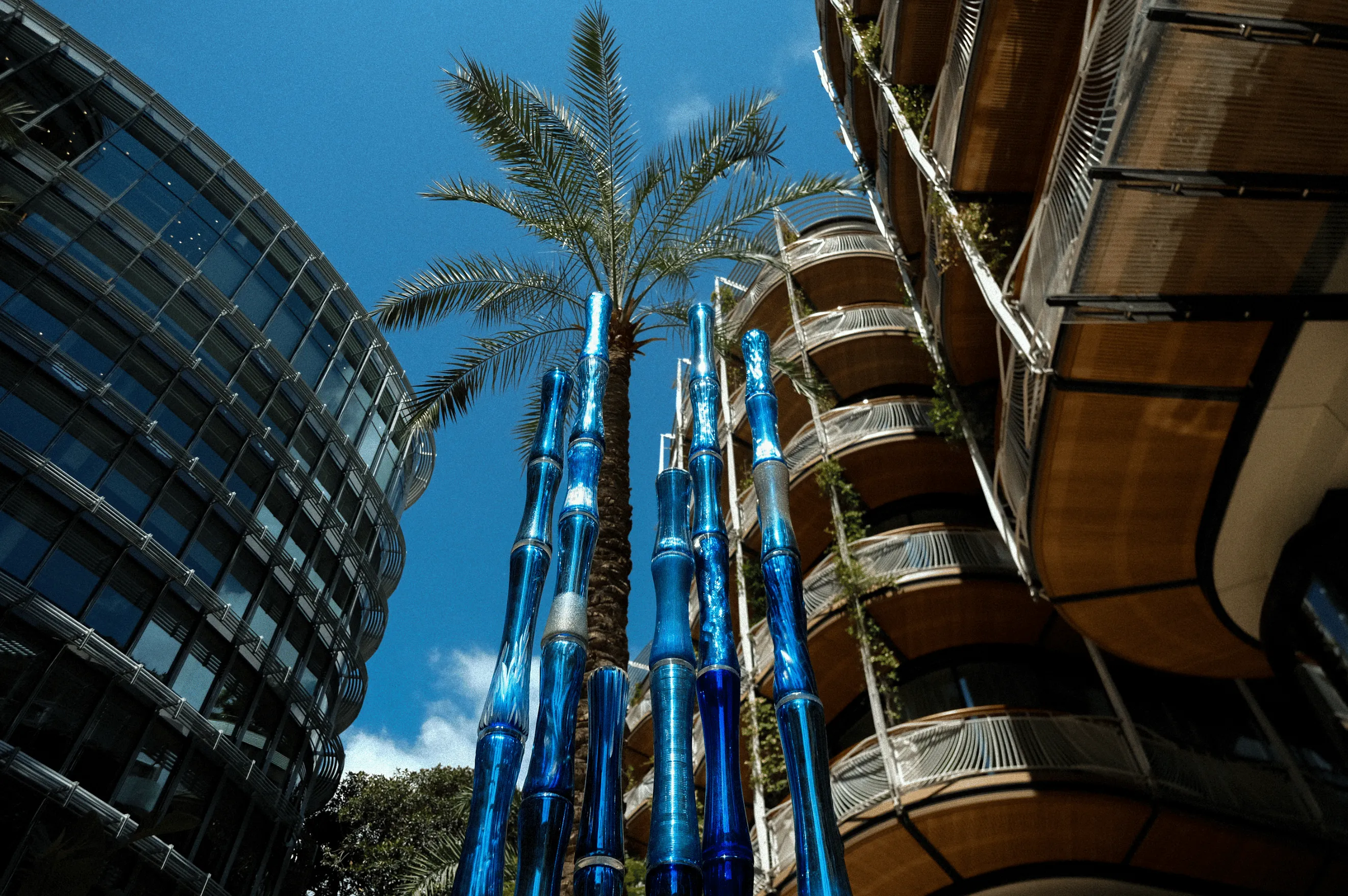
Next spring, he will be taking up residence in Italy for a project focusing on volcanoes, studying the interactions between pigments, telluric heat, and molten glass. During the summer of 2026, he will be participating in a group exhibition at 46 Gallery in Saint-Paul-de-Vence, focusing on the theme of the Mediterranean. His works can be viewed in his studio in Biot, by appointment. In Paris, in the 7th arrondissement, La Secrète Galerie represents him and regularly exhibits his work. In Monaco, a work from his “Colonnes Roseaux” series will soon be added to the urban landscape, integrated into the new Low One complex between the Hôtel Hermitage and the Place du Casino.
In Biot, his workshop, certified by Ateliers d'Art de France, remains a place of creation and transmission. For more than fifteen years, he has welcomed international artists in residence, contributing to the renewal of the contemporary glass scene. Today, the old mill serves as a laboratory for his upcoming exhibitions, while his 22-year-old son Raphaël now works alongside him and develops his own pieces.
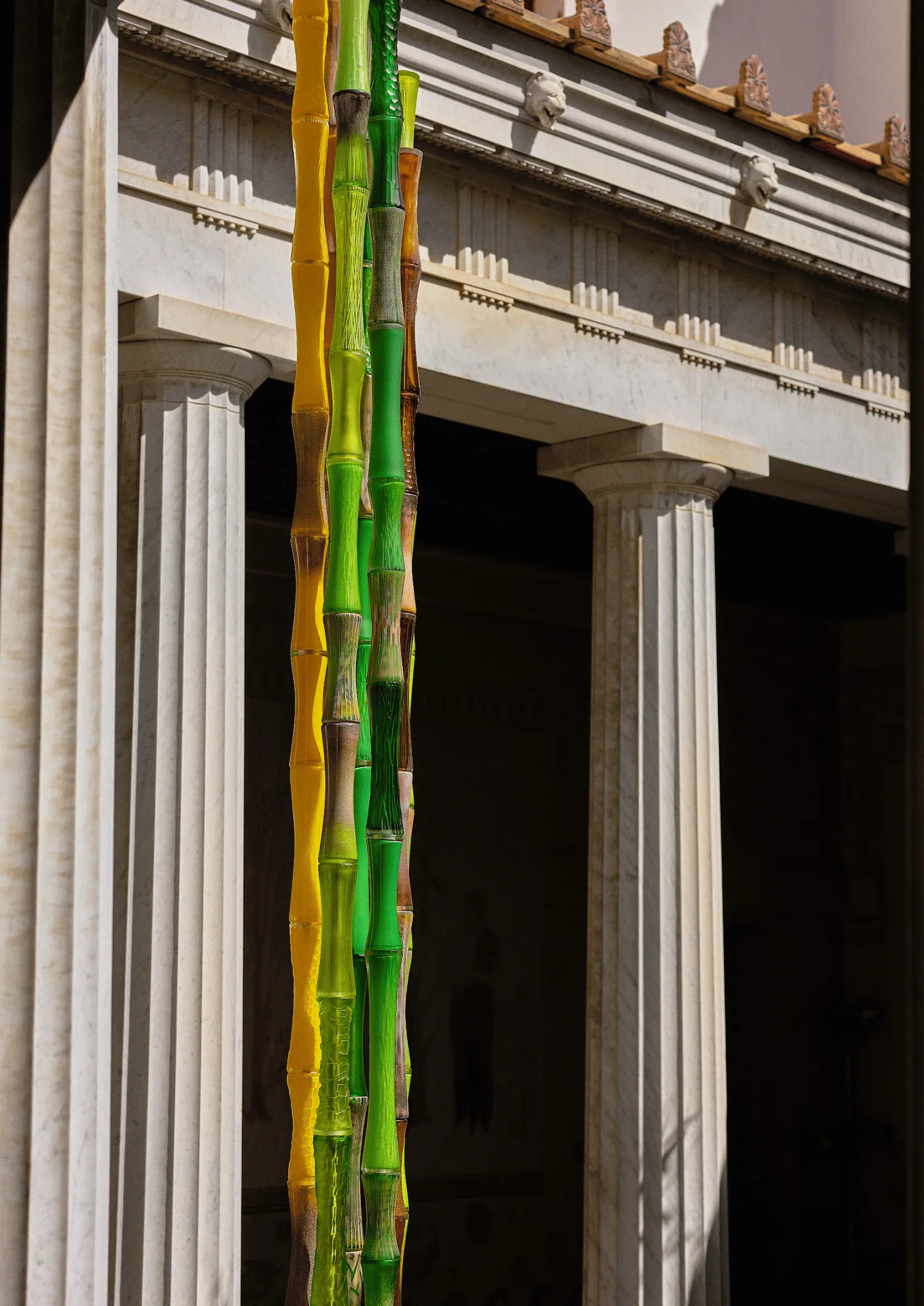
For Antoine Pierini, glass is a landscape in its own right: a realm where breath becomes form, where fire becomes color, where light becomes matter. A space where the Mediterranean finds a new voice, fragile, incandescent, eternal.
Cover photo © Ilan Dehe


Associated places